
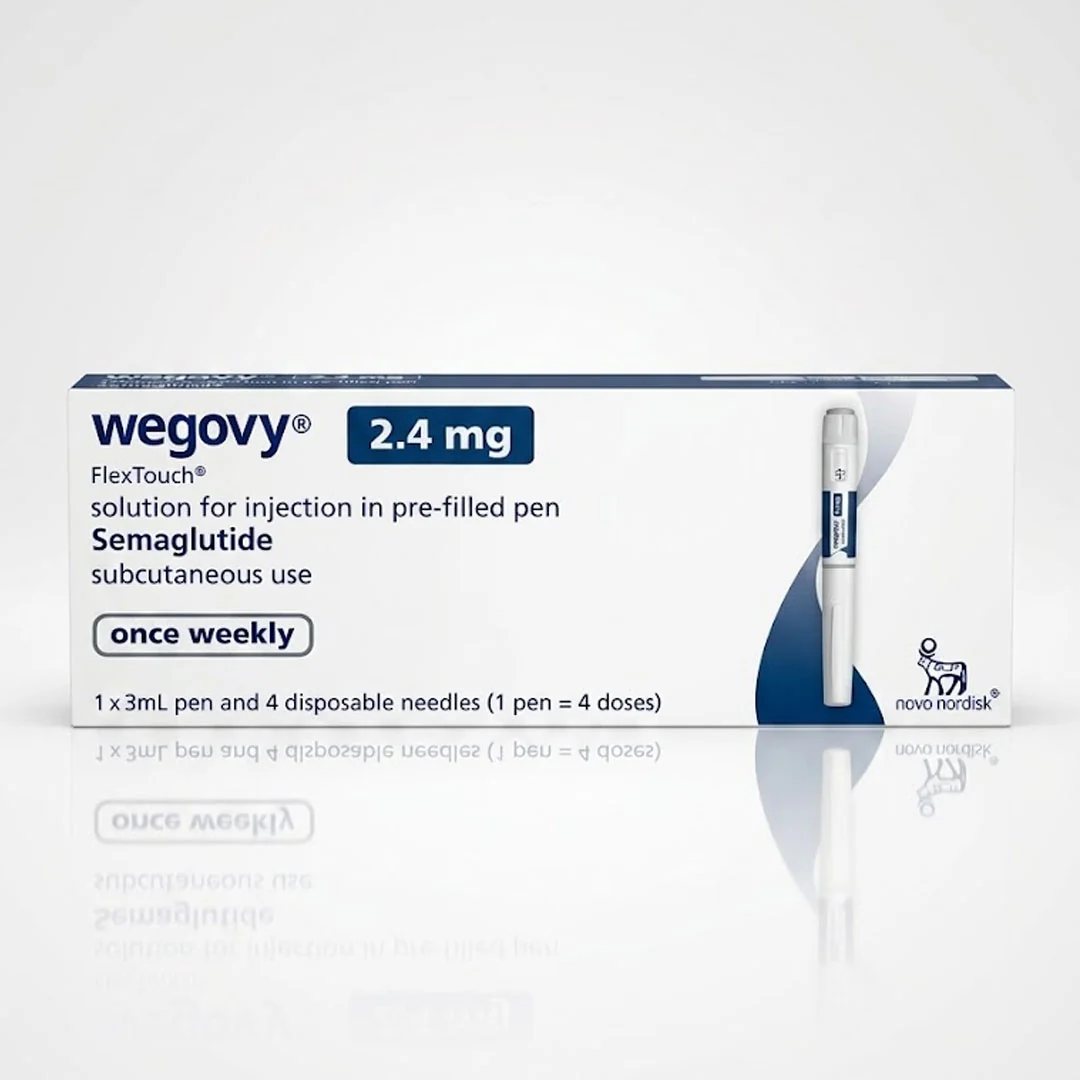
Starting a new weight-management medication can feel exciting, but it is also normal to have questions about what the first few weeks will be like. Wegovy is a prescription medicine containing semaglutide that is used for weight management alongside a reduced-calorie diet and increased physical activity. During the first month, the main goal is usually to help your body adjust to the medication rather than achieve dramatic weight loss immediately.
If you are considering Wegovy or have recently received a prescription, understanding the typical first-month experience can help you prepare. You can also discuss your treatment and medication options with a qualified healthcare professional or a trusted pharmacy service such as MedsForLess.
Starting With a Low Dose
For adults using Wegovy for weight reduction, the recommended starting dose is 0.25 mg once weekly for the first four weeks. The medication is injected under the skin, and the dose is gradually increased over time to help reduce the likelihood of gastrointestinal side effects.
The first month is therefore considered an adjustment period. Your healthcare professional may monitor how you respond to the medication before deciding whether it is appropriate to increase your dose. You should never increase your Wegovy dose on your own.
Wegovy is generally taken on the same day each week, and the injection can be given at any time of day, with or without meals. It can be injected into the abdomen, thigh, or upper arm according to the product instructions.
What You May Notice During the First Week
The first week can be different for everyone. Some people notice changes in appetite or eating patterns, while others may not notice much difference initially. Wegovy works gradually, and the initial 0.25 mg dose is intended to help the body become accustomed to treatment.
You may notice that you feel satisfied after eating smaller amounts of food. Some people may also experience changes in hunger or cravings. However, individual responses vary, so a lack of noticeable weight change during the first week does not necessarily mean that the treatment is not working.
It can be useful to focus on how you feel rather than checking the scale every day. Weight can naturally fluctuate because of hydration, food intake, and other factors.
Common Side Effects in the First Month
Digestive side effects are among the most common things people notice when beginning Wegovy. These may include nausea, diarrhea, vomiting, constipation, stomach pain, bloating, belching, and an upset stomach. Fatigue and headache can also occur.
Nausea is particularly common when starting treatment. According to the manufacturer, nausea is generally temporary for many people, although gastrointestinal reactions can sometimes be significant.
If you experience side effects that bother you or do not go away, contact your healthcare professional. They can help determine whether your symptoms are expected or whether your treatment needs to be adjusted.
Managing Nausea
Simple eating habits may make nausea easier to manage. Eating slowly, choosing smaller meals, and avoiding greasy or very heavy foods may help. Bland, low-fat foods such as crackers, toast, or rice may also be easier to tolerate. Staying hydrated is important, particularly if you experience vomiting or diarrhea.
It may also help to avoid lying down immediately after eating. Your healthcare professional can provide personalized recommendations based on your symptoms and overall health.
Appetite and Eating Habits May Change
One of the noticeable changes during the first month may be a reduced appetite. Wegovy is designed to support weight management, and changes in appetite can make it easier for some people to follow a reduced-calorie eating plan.
Instead of focusing only on eating less, try to make the food you do eat nutritious. Meals can include vegetables, fruits, lean protein, whole grains, and other nutrient-dense foods appropriate for your dietary needs.
Because appetite may decrease, some people may accidentally eat too little or fail to drink enough fluids. Pay attention to your body’s signals and speak with a healthcare professional or dietitian if you are struggling to maintain adequate nutrition.
What About Weight Loss During the First Month?
It is natural to expect immediate results when starting a weight-loss medication, but the first month should not be viewed as a race. Everyone responds differently to Wegovy, and the initial dose is intentionally low.
The official dosing schedule increases the dose after four weeks rather than beginning with a higher amount. This gradual approach is intended to help the body adjust to treatment and reduce gastrointestinal reactions.
Some people may see a change on the scale during their first month, while others may experience little change. Your healthcare professional can evaluate your progress over time rather than relying on short-term fluctuations.
Building Healthy Habits Alongside Wegovy
Wegovy is intended to be used alongside a reduced-calorie diet and increased physical activity for appropriate patients.
The first month is a good opportunity to establish habits that can support long-term weight management. Regular meals, adequate hydration, reasonable physical activity, and sufficient sleep can all be part of a sustainable routine.
Rather than making extreme changes, focus on habits that you can realistically continue. Keeping a simple record of meals, activity, weight trends, and side effects can also give you useful information to discuss with your healthcare professional.
Your First-Month Follow-Up
Your healthcare professional may want to know how you are responding to the medication before the next dose increase. Tell them about any nausea, vomiting, constipation, diarrhea, abdominal discomfort, or other symptoms you have experienced.
If you tolerate the initial dose, the standard adult schedule generally moves to 0.5 mg once weekly during weeks five through eight. However, your healthcare professional may delay escalation if you are not tolerating a dose well.
This is one reason it is important not to rush the process. The correct treatment plan depends on your individual response and medical circumstances.
When to Contact Your Healthcare Professional
Some symptoms should not simply be ignored. Contact your healthcare professional if you experience severe or persistent stomach problems, or nausea, vomiting, or diarrhea that does not go away.
Seek immediate medical attention for signs of a serious allergic reaction, such as swelling of the face, lips, tongue, or throat, difficulty breathing or swallowing, severe rash or itching, fainting, or severe dizziness.
Before starting Wegovy, make sure your healthcare professional knows about your medical history and other medications you take. Wegovy is not appropriate for everyone, including people with certain thyroid cancer histories or serious hypersensitivity to semaglutide or its ingredients.
Making Your First Month Successful
The first month on Wegovy is primarily about adjustment, consistency, and learning how your body responds. You may experience appetite changes, digestive symptoms, or early weight changes, but there is no single experience that applies to everyone.
Take the medication exactly as prescribed, keep track of side effects, maintain healthy eating and activity habits, and attend follow-up appointments. If you are obtaining medication through a pharmacy or online service such as MedsForLess, make sure you use a legitimate source and follow the prescription and storage instructions provided with your medication.
Most importantly, do not judge your entire treatment based on the first few weeks. Wegovy uses a gradual dose-escalation schedule, and longer-term results depend on individual response, treatment adherence, lifestyle habits, and medical guidance.
Final Thoughts
Your first month on Wegovy is best viewed as a period of getting used to treatment. Starting at a low dose, learning how your appetite and digestion respond, and developing healthier routines can make the transition easier.
Some people experience noticeable changes quickly, while others need more time. Staying in communication with your healthcare professional allows your treatment to be adjusted safely when necessary. With realistic expectations and appropriate medical supervision, the first month can provide a useful foundation for the months that follow.