
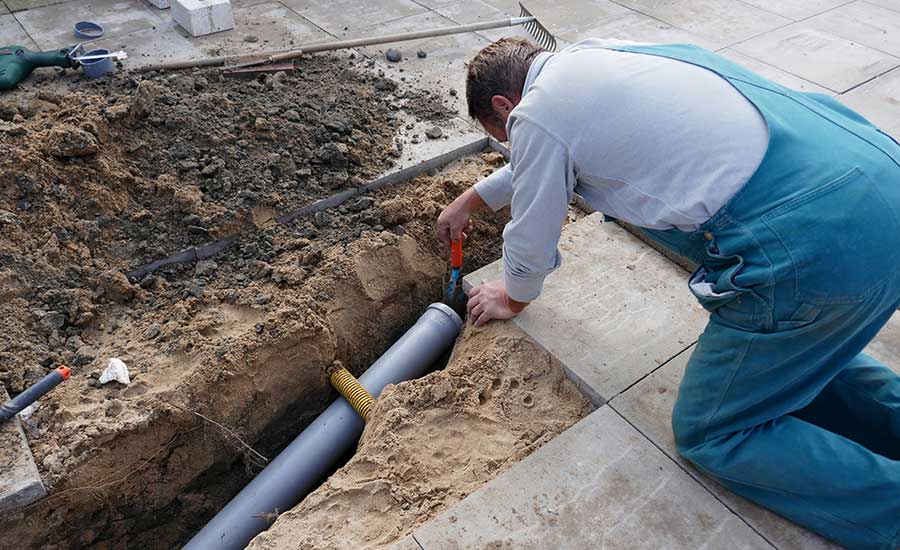
When unexpected property damage occurs, every minute can matter. Flooding, burst pipes, sewage backups, storms, fires, and other emergencies can quickly affect floors, walls, ceilings, furniture, electrical systems, and personal belongings. Taking action quickly can help limit the spread of damage and make the recovery process more manageable. Choosing the right emergency restoration company is therefore an important decision for homeowners and property managers who need professional assistance during a stressful situation.
A qualified restoration team can assess the affected areas, remove damaged materials, control moisture, clean contaminated spaces, and help restore the property to a safe and usable condition. However, not every provider offers the same level of service. Knowing what to look for can help property owners make a practical choice when time is limited.
Why Fast Restoration Matters
Property damage can become more complicated when cleanup is delayed. Standing water, for example, may continue spreading through flooring, walls, and other porous materials. Excess moisture can also create conditions that contribute to mold growth and unpleasant odors.
Fire and smoke damage can present additional challenges. Smoke residues may settle on surfaces throughout a building, while water used during firefighting can create secondary moisture damage. Storm damage may expose interior areas to rain, wind, and debris.
An experienced emergency restoration company understands that the initial response is about more than simply cleaning visible damage. The team should identify the source, evaluate the extent of the problem, and begin appropriate mitigation as quickly as practical.
Look for Emergency Response Availability
One of the first factors to consider is whether the restoration provider offers emergency response services. Damage does not always happen during convenient business hours. A pipe may burst overnight, a storm may damage a roof during the weekend, or a sewage backup may occur early in the morning.
A company that provides emergency assistance can respond when help is needed instead of requiring property owners to wait for normal operating hours. When contacting a provider, ask about its response process, service area, and expected arrival time.
It is also useful to understand what information the company needs before dispatching a team. Clear communication at the beginning can help the restoration crew prepare for the situation.
Evaluate the Company’s Restoration Services
Different emergencies require different techniques and equipment. Before choosing a provider, determine whether its services match the type of damage affecting your property.
A comprehensive restoration company may handle services such as:
- Water extraction and structural drying
- Flood damage cleanup
- Storm damage restoration
- Fire and smoke cleanup
- Sewage cleanup
- Mold-related remediation
- Odor removal
- Damaged material removal
- Property cleaning and restoration
Having access to multiple services can simplify the recovery process. Instead of coordinating several contractors, a property owner may be able to work with one restoration team for assessment, mitigation, cleaning, and repair-related services.
Check Experience With Similar Damage
Experience can be particularly valuable during an emergency. A provider that regularly handles water, fire, storm, or sewage damage is more likely to understand the practical challenges associated with each situation.
Ask whether the company has experience with properties similar to yours. Residential homes, apartments, offices, retail buildings, and industrial properties can have different restoration requirements.
You can also ask how the company approaches assessment and documentation. A professional team should be able to explain the general stages of its restoration process without making unrealistic promises about the final result.
Ask About Inspection and Damage Assessment
A proper restoration process should begin with an assessment rather than immediately focusing on visible damage. Water, smoke, and other contaminants can affect areas that are not immediately obvious.
An emergency restoration company may inspect floors, walls, ceilings, insulation, crawl spaces, basements, and other affected areas. Moisture detection equipment can help identify hidden moisture, while visual inspection can reveal damaged materials and potential safety concerns.
A detailed assessment allows the restoration team to create an appropriate plan. It can also help property owners understand which areas require immediate attention and which repairs may need to happen later.
Consider Equipment and Restoration Techniques
Professional restoration often requires specialized equipment. Depending on the situation, a restoration company may use water extraction machines, air movers, dehumidifiers, moisture meters, air scrubbers, cleaning equipment, and other tools.
The right equipment can support faster drying and more effective cleanup. However, equipment alone is not enough. The restoration team should know how to use it appropriately and monitor conditions throughout the process.
Ask potential providers about the methods they use for drying, cleaning, deodorizing, and removing damaged materials. A clear explanation can provide insight into how systematically the company approaches restoration.
Review Communication and Customer Support
Property damage can be overwhelming, so communication is an important part of the restoration experience. A reliable provider should explain what is happening, what needs immediate attention, and what the next steps are.
Pay attention to how the company handles your initial inquiry. Does the representative answer your questions clearly? Are service details explained in understandable language? Does the company provide updates during the restoration process?
Good communication can reduce confusion and help property owners make informed decisions throughout the recovery.
Understand Estimates and Insurance Documentation
Restoration costs vary depending on the size and severity of the damage, the materials involved, the required equipment, and the amount of labor needed. Before work begins, ask how estimates are prepared and what services are included.
If an insurance claim is involved, ask whether the restoration company provides documentation that may be useful for the claim process. Photographs, moisture readings, itemized service records, and descriptions of completed work can help maintain an organized record of the restoration.
Property owners should still review their insurance policy and communicate directly with their insurer about coverage and claim requirements.
Look at Reviews and Reputation
Online reviews and customer feedback can provide useful information when comparing restoration providers. Look for consistent patterns rather than relying on a single review.
Consider feedback about response times, communication, professionalism, cleanup quality, and overall customer experience. You can also ask friends, relatives, property managers, or other trusted contacts whether they have experience with local restoration providers.
A company with an established presence and transparent service information may give property owners greater confidence when selecting a provider during an emergency.
Be Careful With Unrealistic Promises
During an emergency, it can be tempting to choose the company that promises the fastest or cheapest result. However, restoration work can involve hidden damage that cannot be accurately evaluated from a quick phone conversation.
Be cautious of providers that guarantee a specific outcome before inspecting the property. A professional emergency restoration company should explain that the scope of work depends on the actual condition of the building.
Transparent communication about potential complications is generally more useful than unrealistic guarantees.
Prepare Before an Emergency Happens
The best time to research restoration companies is before significant property damage occurs. Creating a shortlist of reputable providers can save valuable time when an emergency happens.
Keep important contact information easily accessible and understand the basic steps to take after common emergencies. If safe to do so, stop the source of water, shut off utilities when appropriate, protect valuable belongings, and avoid entering hazardous areas.
For serious damage, professional assessment should take priority over attempting complicated cleanup alone.
Making the Right Restoration Choice
Choosing an emergency restoration company is about finding a provider that can respond quickly while following a structured and transparent restoration process. Availability, experience, services, equipment, communication, documentation, reputation, and pricing are all useful factors to consider.
A fast response can help reduce additional property damage, but speed should be combined with proper assessment and professional techniques. By researching restoration providers in advance and knowing what questions to ask, property owners can be better prepared to handle unexpected emergencies.
When damage occurs, having a dependable restoration team available can make the recovery process more organized and help move the property toward a safe, clean, and functional condition.