
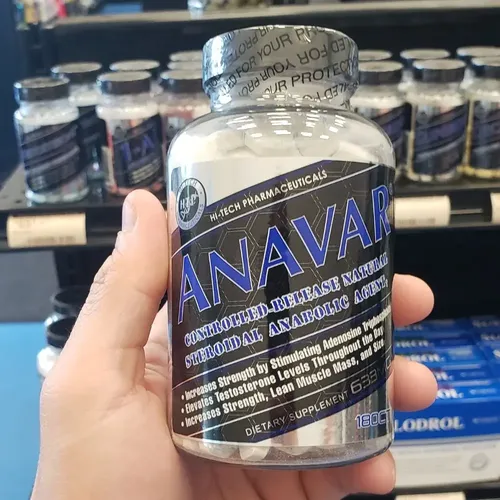
Searching online for “anavar for sale” can produce a large number of advertisements, product pages, forums, and social media posts. At first glance, these listings may appear to offer a simple way to obtain a particular anabolic steroid. However, online descriptions are not reliable evidence that a product is genuine, safe, legally supplied, or appropriate for a person’s health needs.
Anavar is a commonly used name for oxandrolone, an anabolic-androgenic steroid that has legitimate medical applications in certain circumstances. Because anabolic steroids can carry significant health risks and may be subject to prescription or controlled-drug regulations depending on the country, consumers should approach online listings with considerable caution.
Understanding what to look for can help people recognize misleading claims and avoid making decisions based solely on attractive advertisements.
Why Online Steroid Listings Require Caution
An online listing can be professionally designed without being trustworthy. Sellers may use polished websites, product photographs, testimonials, and claims about purity to create an impression of legitimacy.
The problem is that a consumer generally cannot confirm the actual contents of a product simply by reading its description. A package labeled as oxandrolone could potentially contain a different substance, an incorrect concentration, contaminants, or no active ingredient at all.
This is particularly important when searching for “anavar for sale” because search results can include sources operating outside established pharmaceutical supply chains.
A credible-looking website is therefore not the same thing as a verified medical source.
Examine Claims Carefully
One of the first things to consider when reading an online listing is the language used to describe the product.
Statements promising dramatic physical changes, exceptionally rapid results, guaranteed outcomes, or complete absence of side effects should immediately raise concerns. Human responses to anabolic steroids vary, and no responsible medical source can guarantee a particular result without considering an individual’s health and circumstances.
Listings that describe a product as “risk-free,” “completely safe,” or suitable for everyone are especially questionable.
Another warning sign is exaggerated secrecy. Claims that a product is supposedly unavailable through legitimate medical channels but can easily be obtained through a particular website should encourage additional caution rather than confidence.
Check Whether the Source Is Verifiable
A major consideration is whether the seller can be independently verified.
Legitimate medicines are normally connected to identifiable manufacturers, regulated distribution systems, appropriate labeling, and established medical or pharmacy channels. Anonymous sellers and websites that provide little information about their organization make it difficult for consumers to establish accountability.
When reading an “anavar for sale” listing, look beyond the marketing language. Consider whether the manufacturer can be identified and whether the stated product information can be independently verified through authoritative pharmaceutical or regulatory sources.
A seller’s own claims should not be treated as independent proof.
Be Skeptical About Laboratory Claims
Some websites advertise extremely high purity percentages or claim that every batch has been independently laboratory tested. Such statements may sound reassuring, but a certificate displayed on a website does not automatically establish authenticity.
Important questions include who performed the testing, whether the laboratory is independent, what was actually tested, and whether the test corresponds to the specific batch being offered.
Consumers should also remember that laboratory testing cannot necessarily establish whether taking a substance is medically appropriate for a particular person.
The safest approach is to rely on recognized healthcare and pharmaceutical channels rather than trying to verify an unregulated product through marketing materials.
Consider Counterfeit and Contamination Risks
Counterfeit medicines are a significant concern when purchasing pharmaceuticals through unauthorized sources. Packaging can be copied, labels can be reproduced, and product descriptions can be misleading.
The risks become greater when a substance is manufactured or distributed without appropriate quality-control standards. Unexpected ingredients or contamination can create health problems that may not be obvious when the product is first taken.
This is one reason why an attractive price should not be viewed as evidence of a good deal. A lower advertised cost may come with substantially greater uncertainty about product quality and safety.
Understand the Health Considerations
Oxandrolone is an anabolic steroid, and its use is not risk-free. Anabolic-androgenic steroids can affect several body systems, including hormone regulation, cardiovascular health, liver function, and cholesterol levels.
Potential adverse effects can vary depending on the person, the substance, medical history, and other factors. Some effects may be particularly concerning for people with existing medical conditions or those taking other medicines.
Online advertisements generally cannot account for these individual factors. A listing may focus entirely on perceived benefits while providing little meaningful information about contraindications, interactions, monitoring, or potential complications.
That imbalance is an important reason not to treat promotional material as medical advice.
Legality Can Vary by Location
The legal status of oxandrolone and other anabolic steroids differs between jurisdictions. Some countries regulate these substances as prescription medicines or controlled drugs, while rules concerning possession, importation, sale, and distribution may differ further.
Consequently, an online seller claiming to ship internationally does not necessarily mean that the transaction is legal in the buyer’s location.
Anyone considering a medicine should check the relevant regulations through an appropriate government or healthcare authority rather than relying on statements made by an online seller.
Look for Medical Context, Not Just Product Information
A trustworthy medical discussion should involve more than the name of a substance and its advertised benefits.
Healthcare professionals can evaluate why treatment might be considered, whether an alternative is more appropriate, and whether a person’s medical history creates additional risks. Where a medicine is prescribed, appropriate follow-up may also be important for monitoring response and potential adverse effects.
This distinction matters because searching “anavar for sale” frames the issue around obtaining a product. A medically responsible approach instead begins with determining whether the treatment itself is appropriate.
Warning Signs in Online Listings
Several patterns should make readers particularly cautious:
Unrealistic Promises
Guarantees of extraordinary results or claims that there are no meaningful side effects are not consistent with responsible medical communication.
Anonymous Sellers
A seller that cannot provide verifiable information about its business, manufacturing source, or regulatory status presents additional uncertainty.
Pressure to Purchase Quickly
Countdown timers, limited-stock warnings, and aggressive sales tactics can encourage impulsive decisions and discourage proper research.
Suspiciously Detailed Testimonials
Personal testimonials are not substitutes for clinical evidence. Individual experiences cannot establish that a medicine is safe or effective for everyone.
Missing Product Information
Incomplete labeling, unclear ingredients, absent manufacturer information, or inconsistent packaging details are important warning signs.
Safer Ways to Evaluate Health Information
Rather than relying primarily on advertisements, consumers can consult physicians, pharmacists, recognized medical references, and national medicines regulators.
These sources can provide information about approved indications, known risks, contraindications, monitoring requirements, and legal status.
If someone has already obtained a product from an uncertain online source, it is important not to assume that its label accurately describes its contents. A healthcare professional or pharmacist can provide appropriate advice about what to do next.
Final Thoughts
Searching for “anavar for sale” may lead to numerous online listings, but availability does not establish legitimacy or safety. A professional-looking website, attractive packaging, positive testimonials, or claims of laboratory testing cannot by themselves guarantee that a product is authentic or suitable for medical use.
The most important considerations are the reliability of the source, the ability to verify the product, applicable laws, potential health risks, and the need for appropriate medical oversight. Instead of treating an online advertisement as proof that a substance is safe to obtain, readers should use authoritative medical and regulatory information when making decisions.
When a medicine can affect hormones, cardiovascular health, liver function, or other important systems, caution is far more valuable than an appealing online listing. Responsible decision-making starts with understanding the medicine and the individual’s health needs—not simply finding a product advertised for sale.