
Introduction
Digital entertainment has experienced remarkable growth over the past decade, changing how people watch videos, discover new creators, and interact with online communities. Traditional television, movies, and radio once dominated the entertainment industry, but online streaming has introduced a more flexible and interactive way casino hot wallets to enjoy content. Today, millions of viewers watch live gaming sessions, educational broadcasts, music performances, lifestyle videos, and online discussions through streaming platforms.
Online streamers have become important figures in this transformation. They do more than entertain audiences; they build communities, influence digital trends, introduce new forms of creativity, and create business opportunities. Their growing popularity is changing the relationship between content creators and viewers while encouraging entertainment companies to rethink their strategies. As technology continues to advance, online streamers are likely to play an even greater role in shaping the future of digital entertainment.
The Growing Popularity of Online Streaming
One of the main reasons online streaming has become so popular is its accessibility. Viewers can watch their favorite creators using smartphones, computers, tablets, and smart televisions. Unlike traditional broadcasting, which often follows fixed schedules, many streaming platforms allow audiences to access live and recorded content whenever it suits them.
This flexibility has attracted people from different age groups, countries, and cultural backgrounds. Gaming streams, reaction videos, live conversations, tutorials, and entertainment shows offer something for almost every interest.
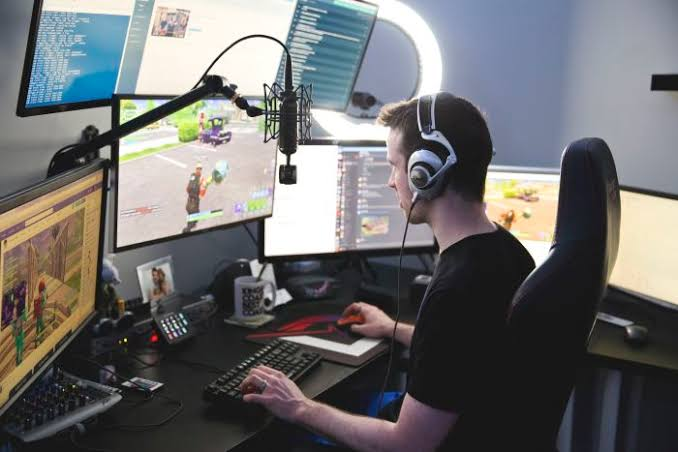
Streaming has also lowered the barriers to content creation. Individuals no longer need a television studio or a large production company to reach an audience. With suitable equipment, a reliable internet connection, and original ideas, creators can begin producing content and gradually develop their own communities.
As a result, entertainment is becoming more diverse, allowing independent voices to compete for attention alongside established media companies.
Interactive Entertainment Is Changing Viewer Experiences
Traditional entertainment usually involves a one-way relationship between producers and audiences. Viewers watch a program, listen to a broadcast, or enjoy a film without directly influencing what happens during the experience.
Online streaming introduces a more interactive approach. Viewers can communicate with streamers through live chats, polls, questions, reactions, and other platform features. Creators can respond to comments, ask their audiences for suggestions, and adjust their content based on real-time feedback.
This interaction makes viewers feel more involved in the entertainment experience. For example, a gaming streamer may allow viewers to suggest challenges, while a musician might accept song requests during a live performance.
Interactive features also help creators understand their audiences more effectively. They can identify popular topics, improve future broadcasts, and develop content that reflects viewer interests.
In the future, interactive entertainment may become even more sophisticated through virtual reality, augmented reality, and advanced audience participation tools.
Online Streamers Are Building Global Communities
Another major contribution of online streamers is their ability to connect people across geographical and cultural boundaries. A creator based in one country can attract viewers from many different parts of the world, bringing together individuals who share similar interests.
Gaming communities provide a strong example of this development. Players and fans can watch tournaments, discuss strategies, share experiences, and support their favorite creators regardless of where they live.
Beyond gaming, streamers create communities around cooking, technology, education, travel, fitness, music, and everyday life. These communities often become spaces where people exchange knowledge, celebrate common interests, and discover different perspectives.
Language and cultural differences can still present challenges, but subtitles, translation tools, and multilingual content are helping make online entertainment more accessible.
This global connectivity is encouraging a more inclusive entertainment environment in which creators can reach audiences that traditional media might not have served effectively.
New Career Opportunities for Digital Creators
The growth of online streaming has created new professional opportunities for individuals interested in entertainment, communication, and digital media. Streaming is no longer simply a hobby for some creators; it has become a potential career supported by several revenue models.
Depending on the platform and audience, streamers may earn money through advertising, subscriptions, viewer contributions, sponsorships, merchandise, and partnerships with businesses. Some creators also expand into podcasting, video production, live events, or their own digital brands.
These opportunities have created demand for supporting professionals, including video editors, graphic designers, social media managers, moderators, sound technicians, and marketing specialists.
However, earning a consistent income from streaming is not guaranteed. Competition is intense, platform rules can change, and audience growth often requires considerable time and effort. Successful creators generally need a combination of creativity, communication skills, planning, and persistence.
Nevertheless, streaming has expanded the range of career paths available within the modern entertainment industry.
The Influence of Streamers on Popular Culture
Online streamers increasingly influence digital trends, consumer interests, and popular culture. Their recommendations, reactions, and creative projects can introduce audiences to new games, music, products, entertainment formats, and online challenges.
Because streamers often communicate with viewers in a conversational style, their content may feel more personal than conventional advertising. Audiences can observe how creators use a product, respond to a new release, or discuss their experiences in real time.
Brands have recognized this influence and increasingly collaborate with suitable creators to promote products and reach specific audiences. These partnerships can benefit both businesses and streamers when the content is relevant and promotional relationships are clearly disclosed.
Streamers can also provide opportunities for emerging artists and independent developers. A music creator may gain attention after a popular streamer features a song, while an independent game may attract new players following a live broadcast.
However, influence brings responsibility. Creators should communicate honestly, avoid misleading claims, and consider the potential impact of their recommendations on viewers.
Technology Is Expanding Streaming Possibilities
Technological progress will continue to influence the future of online streaming. Faster internet connections, improved mobile devices, better cameras, and more accessible production software are making high-quality broadcasts easier to create and watch.
Artificial intelligence is also introducing new possibilities. AI-powered tools can help creators generate captions, organize content, remove background noise, translate conversations, and identify interesting moments for short-form videos. These tools can reduce production workloads and help streamers reach broader audiences.
Virtual reality and augmented reality may create more immersive experiences. Viewers could eventually participate in virtual concerts, explore interactive digital environments, or experience live events in ways that feel more engaging than conventional video.
Cloud-based streaming technology may also make demanding games and interactive applications accessible without requiring expensive hardware.
Although these developments offer exciting opportunities, creators and platforms must address privacy, copyright, misinformation, and responsible AI use. Technology should improve entertainment without undermining audience trust or creative ownership.
Challenges Facing the Streaming Industry
Despite its rapid growth, online streaming faces several important challenges. Competition is one of the biggest obstacles because thousands of creators publish content every day. Standing out requires originality, consistent quality, and a clear understanding of audience interests.
Another concern is the pressure to remain constantly active. Some creators may feel compelled to stream for long periods or publish content frequently to maintain visibility. This can affect personal well-being and make it difficult to maintain a healthy balance between work and everyday life.
Online harassment, inappropriate comments, copyright disputes, and unpredictable platform policies can create additional difficulties. Smaller creators may also struggle with limited resources and inconsistent income.
Streaming platforms can help address these issues by improving moderation systems, providing clearer policies, protecting creator rights, and offering tools that support healthier online communities.
Creators also benefit from establishing realistic schedules, maintaining boundaries, and diversifying their content and income sources where possible.
The Future of Digital Entertainment
The future of digital entertainment will likely involve a combination of streaming, traditional media, interactive experiences, and emerging technologies. Television networks, film studios, gaming companies, and independent creators are increasingly operating within the same digital environment.
Online streamers may become more involved in original productions, live competitions, virtual events, and collaborative entertainment projects. Audiences may also gain more opportunities to influence content through interactive storytelling and personalized viewing experiences.
At the same time, authenticity will remain important. While production quality and advanced technology can improve a broadcast, viewers often value creators who communicate naturally, demonstrate genuine interests, and treat their communities respectfully.
The industry will also need to balance personalization with privacy and ensure that entertainment remains accessible to people with different devices, budgets, and internet speeds.
Rather than completely replacing traditional entertainment, online streaming is likely to complement existing formats while introducing new ways for audiences to discover and enjoy content.
Conclusion
Online streamers are changing the future of digital entertainment by making content more interactive, accessible, diverse, and community-driven. They are creating new career opportunities, influencing popular culture, connecting global audiences, and encouraging businesses to explore innovative approaches to communication and promotion.
Technological developments will continue to expand what creators can achieve, from AI-assisted production to immersive virtual experiences. However, long-term success will also depend on responsible content creation, audience trust, fair platform policies, and healthy digital communities.
As viewers increasingly seek personalized and engaging experiences, online streamers will remain an important part of the evolving entertainment landscape. Their influence demonstrates that the future of entertainment is not only about watching content but also about participating, connecting, and sharing experiences with people around the world.