
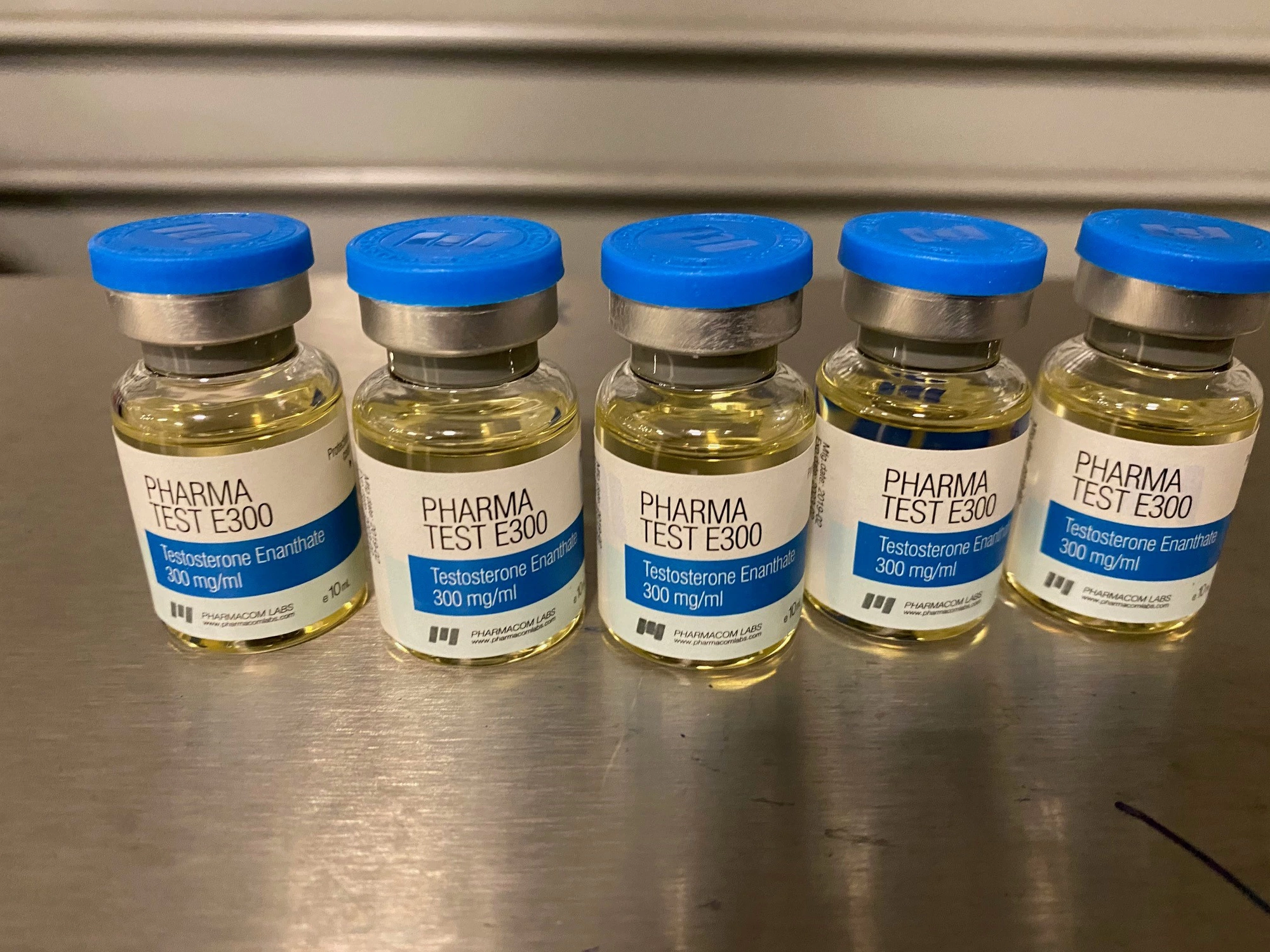
Researching information about testosterone-based products requires more than comparing labels, prices, or claims found online. Products described as test enanthate 300 can attract attention because of their association with testosterone replacement and bodybuilding communities, but responsible research means understanding what the product is, why it may be used medically, what risks are involved, and how to distinguish reliable information from unsupported claims.
The goal of responsible research is not simply to find a product or determine how to use it. Instead, it is to develop an accurate understanding of the substance, its potential benefits and risks, regulatory considerations, and the importance of professional medical guidance.
Understand What Test Enanthate 300 Refers To
Testosterone enanthate is a long-acting ester of testosterone. It is used in some medical settings to treat certain conditions involving testosterone deficiency when prescribed and monitored by an appropriate healthcare professional.
The “300” in a product description may refer to a concentration or labeling convention, but product labels can vary between manufacturers and markets. Therefore, researchers should avoid assuming that two products with similar names necessarily contain identical ingredients, concentrations, manufacturing standards, or formulations.
Read Product Information Carefully
When researching test enanthate 300, begin by identifying exactly what the product label claims. Look for information such as the active ingredient, concentration, manufacturer, formulation, lot information, expiration date, and regulatory status.
Avoid relying solely on photographs, advertisements, forum posts, or seller descriptions. These sources may omit important details or make claims that cannot be independently verified.
Understand the Difference Between Brand Names and Active Ingredients
Online discussions often use product names interchangeably with active ingredients. This can create confusion. A responsible researcher should identify the actual active substance rather than assuming that a particular brand or product name guarantees quality or consistency.
This distinction becomes particularly important when products are purchased from sources that are not regulated pharmacies or licensed healthcare providers.
Use Reliable Sources for Medical Information
The quality of your research depends heavily on the quality of your sources. Medical information should preferably come from recognized healthcare institutions, government agencies, licensed medical professionals, peer-reviewed research, and official prescribing information.
Prioritize Evidence-Based Information
Search for information about testosterone enanthate through reputable medical resources. These sources can provide information about approved uses, contraindications, potential adverse effects, warnings, monitoring requirements, and interactions.
Peer-reviewed medical literature can also help explain how testosterone therapy has been studied. However, individual research studies should be interpreted carefully because results from a specific population may not apply to everyone.
Be Careful With Forums and Social Media
Forums, social media groups, and discussion boards can contain personal experiences, but anecdotes should not be treated as medical evidence. People may differ substantially in age, health status, medications, laboratory results, and underlying conditions.
Statements such as “this product worked perfectly for me” or “this caused no side effects” cannot establish that a product is safe or appropriate for another person.
Investigate Safety Considerations
Responsible research should always include potential risks. Testosterone therapy can affect multiple systems in the body, and treatment decisions generally require consideration of an individual’s medical history and laboratory findings.
Potential concerns associated with testosterone treatment may include changes in blood pressure, red blood cell levels, cholesterol-related factors, fertility, prostate-related considerations, mood, and cardiovascular health. The significance of these issues varies among individuals.
Do Not Ignore Medical Screening
A healthcare professional may evaluate symptoms, medical history, physical findings, and laboratory measurements before determining whether testosterone treatment is appropriate.
This is important because symptoms sometimes attributed to low testosterone can have other causes. Treating the wrong underlying problem may delay appropriate care.
Understand That More Is Not Necessarily Better
Online bodybuilding communities may discuss testosterone in ways that differ considerably from medical practice. Responsible research should not assume that larger amounts produce proportionally better outcomes.
Using testosterone without appropriate medical supervision can create unnecessary health risks. Research should therefore focus on medical evidence and professional guidance rather than informal dosing recommendations.
Check Product Legitimacy and Regulatory Status
Another important part of researching test enanthate 300 is determining whether the product comes from a legitimate and appropriately regulated source.
Examine the Manufacturer
Researchers should investigate whether a manufacturer is identifiable and whether its products are subject to meaningful quality-control standards. Missing manufacturer information, inconsistent packaging, questionable labeling, or unrealistic claims should be treated as warning signs.
A product that is sold online does not automatically have the same quality controls as a medicine supplied through a licensed pharmacy.
Be Wary of Counterfeit Products
Unregulated markets can create risks involving counterfeit or contaminated products. Packaging may look convincing while the contents differ from the label.
For this reason, responsible research should never focus only on obtaining the lowest price or finding a seller willing to ship internationally. Authenticity, legal status, manufacturing standards, and patient safety are more important considerations.
Separate Medical Use From Performance Claims
Testosterone has legitimate medical applications, but online discussions frequently connect testosterone products with muscle growth, athletic performance, and physique enhancement.
These different contexts should not be confused.
Evaluate Claims Critically
When reading information about test enanthate 300, question claims promising dramatic results, guaranteed muscle gains, rapid transformations, or completely risk-free use. Biological responses vary, and medical treatment is based on individual circumstances rather than marketing promises.
Research should also consider whether a claim is supported by clinical evidence or simply repeated by sellers and online communities.
Consider Long-Term Implications
Responsible research goes beyond short-term outcomes. Testosterone can influence hormone regulation and reproductive function, among other physiological processes. Decisions involving hormone therapy therefore deserve consideration of both immediate and longer-term consequences.
Ask a Qualified Healthcare Professional
Online research can provide useful background information, but it cannot replace individualized medical evaluation.
A qualified healthcare professional can help determine whether testosterone-related treatment is appropriate, explain potential risks, review relevant medical history, and identify appropriate monitoring requirements.
Prepare Questions Before an Appointment
People researching testosterone can make medical appointments more productive by preparing questions in advance. Useful topics may include the reason for treatment, expected benefits, possible risks, laboratory monitoring, alternative treatments, and how existing medications or medical conditions could affect treatment.
Rather than asking only whether a particular product is “good,” it is more useful to ask whether testosterone therapy is medically appropriate and what professionally regulated options are available.
Recognize Red Flags During Online Research
Responsible research also means knowing when information deserves skepticism.
Common warning signs include sellers making medical guarantees, claims that a product has no side effects, pressure to purchase quickly, missing ingredient information, unusually vague manufacturing details, or recommendations to avoid doctors and laboratory testing.
Websites that rely heavily on testimonials while providing little verifiable medical information should also be approached cautiously.
Make Research About Informed Decisions
The most responsible way to research test enanthate 300 is to treat the process as an information-gathering exercise rather than a search for instructions on self-administration.
Start with authoritative medical sources, identify the active ingredient and product specifications, investigate regulatory and manufacturing information, review established safety concerns, and distinguish medical evidence from anecdotal claims.
Most importantly, decisions involving prescription testosterone should involve an appropriately qualified healthcare professional. A careful approach helps reduce the possibility of relying on inaccurate information, counterfeit products, or unsafe practices.
Conclusion
Researching testosterone-related products responsibly requires patience, skepticism, and attention to evidence. The term test enanthate 300 may describe a particular testosterone enanthate product or concentration, but the name alone does not establish quality, safety, legality, or suitability for an individual.
Reliable medical sources, legitimate healthcare providers, verified product information, and awareness of potential risks provide a much stronger foundation for understanding testosterone therapy than online advertisements or personal testimonials. By approaching the subject through evidence-based research and professional medical guidance, readers can make more informed decisions while avoiding unnecessary health risks.