
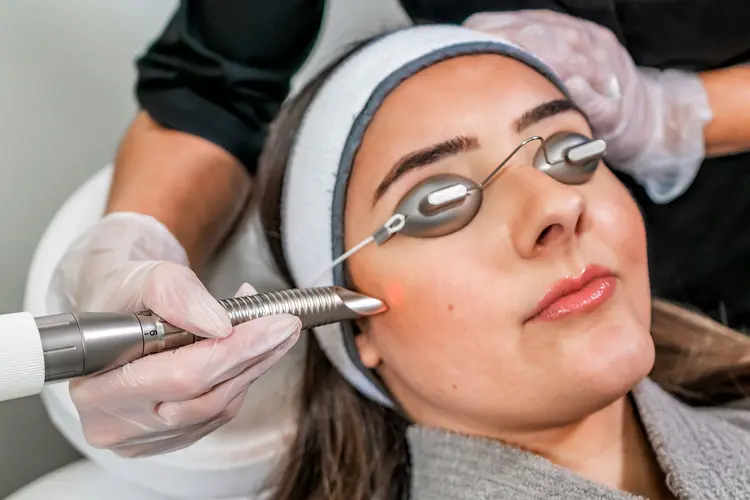
Laser Skin Resurfacing is a popular cosmetic dermatology treatment designed to improve the appearance and texture of the skin. Over time, factors such as sun exposure, aging, acne, scars, pigmentation, and environmental stress can affect the skin’s natural appearance. Laser treatments use controlled energy to target specific layers of the skin, encouraging renewal and, in some cases, stimulating collagen production. As a result, the skin may appear smoother, more even, and refreshed.
With different technologies and treatment options available, understanding how Laser Scar Removal works can help people make informed decisions about whether it may suit their individual skin concerns. While the treatment can offer several potential benefits, it is important to understand that results vary depending on the type of laser, skin condition, treatment area, and individual response.
What Is Laser Skin Resurfacing?
Laser Skin Resurfacing is a cosmetic procedure that uses laser energy to remove or heat targeted areas of damaged skin. Depending on the technology used, the treatment may work primarily on the surface of the skin or penetrate deeper layers to encourage natural skin renewal.
Some laser treatments remove thin layers of the skin, while others heat the underlying tissue without significantly removing the surface. These approaches are commonly categorized as ablative and non-ablative treatments. Fractional laser technology is another option that treats microscopic columns of skin while leaving surrounding tissue intact, which may support faster recovery.
The main goal of Laser Skin Resurfacing is to improve visible skin concerns and create a more balanced, youthful-looking appearance. The treatment is often considered for fine lines, uneven texture, sun-related changes, acne scars, and certain pigmentation concerns.
How Does the Treatment Work?
The process begins with a consultation with a qualified dermatologist or licensed medical professional. During this appointment, the provider evaluates the skin, discusses concerns, reviews medical history, and determines whether laser treatment is appropriate.
The laser device delivers controlled energy to the selected treatment area. Depending on the procedure, the energy may remove damaged outer skin cells or heat deeper tissues. This controlled process encourages the body to repair and regenerate treated areas.
One of the reasons Laser Skin Resurfacing is widely used is its ability to target specific skin concerns with a high degree of control. Treatment settings can often be adjusted according to the patient’s skin type, desired results, and treatment goals.
Potential Benefits for Skin Appearance
Laser Skin Resurfacing may provide several cosmetic benefits when performed appropriately. One potential advantage is improved skin texture. By encouraging the replacement of damaged surface cells and supporting collagen remodeling, laser treatment may help the skin feel smoother.
Another potential benefit is a reduction in the appearance of fine lines and wrinkles. As the skin renews itself and collagen production is stimulated, some patients may notice a firmer and more refreshed appearance.
The treatment may also help improve uneven pigmentation caused by factors such as sun exposure. Certain laser technologies are designed to target pigment in the skin, potentially creating a more even-looking complexion.
Acne Scars and Skin Texture
Acne scars are another common reason people consider Laser Skin Resurfacing. Depending on the type and depth of scarring, laser treatments may help soften the appearance of certain depressed or uneven scars.
Fractional laser procedures are sometimes used for this purpose because they create microscopic treatment zones that encourage the skin’s natural healing response. Over time, the remodeling process may improve the appearance of uneven skin texture.
However, not every type of acne scar responds in the same way. Some scars may require a combination of treatments, and several sessions may be recommended to achieve noticeable improvement.
Different Types of Laser Treatments
There are several types of laser technologies available for skin resurfacing. Ablative lasers generally work more aggressively by removing damaged layers of the skin. They may provide significant results but often involve a longer recovery period.
Non-ablative lasers typically heat the deeper layers of the skin while leaving the surface more intact. These treatments may involve less downtime, although multiple sessions are sometimes needed.
Fractional lasers treat only a fraction of the skin at a time, creating tiny columns of controlled injury. This approach may balance treatment effectiveness with recovery time.
The best option depends on various factors, including the patient’s skin condition, treatment goals, skin tone, and tolerance for downtime. A qualified professional should recommend the appropriate technology after a detailed evaluation.
What Happens During Laser Skin Resurfacing?
Before treatment begins, the skin is usually cleansed, and a topical anesthetic or another form of pain control may be used depending on the procedure. Protective measures are also taken to shield the eyes and surrounding areas.
During the session, the laser device is moved across the targeted skin. Patients may experience sensations such as warmth, tingling, or mild discomfort. The duration of the procedure varies according to the size of the treatment area and the type of laser being used.
Afterward, the skin may appear red, swollen, or sensitive. The intensity and duration of these effects depend on the treatment method. A healthcare professional will provide specific aftercare instructions to support the healing process.
Recovery and Aftercare
Proper aftercare is an important part of the Laser Skin Resurfacing process. The treated skin may be more sensitive to sunlight, so protecting it from ultraviolet exposure is essential. Wearing broad-spectrum sunscreen and following professional recommendations can help protect the recovering skin.
Patients may also be advised to avoid certain skincare ingredients temporarily. Strong exfoliants, retinoids, or other potentially irritating products may need to be paused until the skin has recovered.
Keeping the skin moisturized and avoiding unnecessary touching or scratching can also support recovery. It is important to follow the provider’s instructions carefully because aftercare requirements vary between different laser procedures.
Possible Risks and Side Effects
Although Laser Skin Resurfacing can provide cosmetic benefits, it is not without potential risks. Temporary redness, swelling, dryness, peeling, and sensitivity are common after some treatments. More serious complications can occur in certain circumstances.
Possible risks may include infection, changes in skin pigmentation, prolonged redness, scarring, or delayed healing. People with certain skin conditions or those prone to pigmentation changes may require special consideration before treatment.
Choosing an experienced and qualified professional is an important step in reducing potential complications. A proper consultation should include a discussion of expected results, possible risks, recovery time, and alternative options.
Who May Consider Laser Skin Resurfacing?
Laser Skin Resurfacing may be considered by adults who want to address specific cosmetic concerns, such as uneven texture, fine lines, sun damage, or certain types of acne scars. However, suitability depends on individual circumstances.
People with active skin infections, certain medical conditions, or a history of problematic wound healing may not be ideal candidates for some laser treatments. Skin tone is also an important consideration because some laser procedures can carry a higher risk of pigmentation changes in certain individuals.
A professional skin assessment is therefore essential before choosing a treatment.
Setting Realistic Expectations
One of the most important aspects of Laser Skin Resurfacing is having realistic expectations. The treatment can improve the appearance of certain skin concerns, but it cannot stop the natural aging process or guarantee perfect skin.
Results may develop gradually as the skin heals and collagen remodeling takes place. Some individuals may see noticeable changes after one session, while others may require multiple treatments. Maintenance skincare and sun protection can also play an important role in preserving results.
Conclusion
Laser Skin Resurfacing is an established cosmetic treatment that may help improve skin texture, fine lines, uneven pigmentation, sun-related changes, and certain acne scars. With different laser technologies available, treatments can be tailored to individual concerns and desired outcomes.
Understanding the procedure, potential benefits, recovery process, and possible risks is essential before making a decision. A consultation with a qualified dermatology professional can help determine whether the treatment is suitable and which approach may be most appropriate. When carefully selected and professionally performed, Laser Skin Resurfacing can be one option for people seeking smoother, more refreshed, and more even-looking skin.