
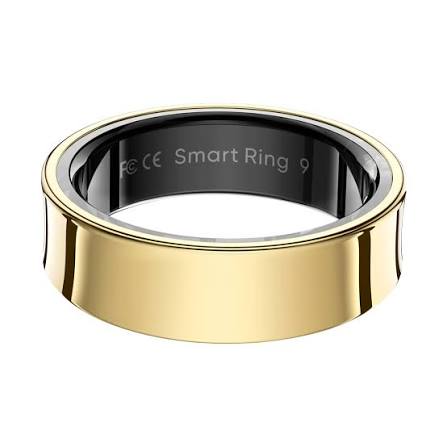
Introduction to Smart Rings for Sleep Tracking
Quality sleep is an essential part of maintaining physical health, mental well-being, and everyday productivity. However, many people struggle to understand whether they are getting enough rest or why they still feel tired after spending several hours in bed. Modern wearable technology offers new ways to explore sleeping habits, and smart rings have become an interesting option for people who want to monitor their nightly rest without wearing a bulky device.
Smart rings are compact wearable gadgets designed to collect information about different aspects of daily health and activity. Depending on the model, they may track sleep duration, heart rate, movement, and other physiological signals that can provide useful insights into sleeping patterns. Unlike traditional fitness watches, these rings have a small design that may feel more comfortable during the night.
As interest in sleep technology continues to grow, affordable devices are attracting attention from consumers who want useful features without spending too much money. A closer look at smart ring functionality, including a colmi r09 review, can help readers understand what to consider when choosing a device for sleep tracking.
What Is a Smart Ring and How Does It Work?
A smart ring is an electronic wearable designed to fit around a finger while collecting selected health and activity measurements. Although its appearance may resemble an ordinary piece of jewelry, it contains small sensors and electronic components that record information throughout the day and night.
Most smart rings work with a compatible smartphone application. The ring collects measurements, transfers the available information to the application, and presents the results through charts, summaries, and historical records. Users can then review their sleeping schedules and look for patterns over time.
Sensors Used in Sleep Tracking
Smart rings may use several types of sensors to collect information related to sleep and general wellness. The exact combination depends on the model.
Optical heart rate sensors use light to estimate changes in blood volume beneath the skin. These measurements can help compatible devices estimate heart rate during rest and sleep.
Movement sensors detect changes in the position and movement of the hand. When combined with other measurements, movement data can help a device estimate when a person falls asleep, wakes up, or experiences periods of restlessness.
Some smart rings also measure skin temperature trends or estimate blood oxygen saturation. Availability and accuracy vary between devices, and these measurements should not automatically be treated as medical assessments.
How Smart Rings Collect Nightly Data
During the night, a smart ring collects measurements at intervals determined by its hardware and software. Its application processes the available information and creates an estimated picture of the user’s sleep.
After waking up, users may see their estimated sleep duration, periods of movement, overnight heart rate trends, or other supported measurements. Reviewing these results regularly can help people identify habits associated with better or worse sleep.
It is important to remember that a consumer smart ring does not directly measure every aspect of sleep. Its results are estimates, and different devices may produce different interpretations of the same night.
Why Sleep Tracking Matters for Everyday Health
Sleep tracking can help people understand their routines and recognize patterns that might otherwise go unnoticed. Rather than relying entirely on memory, users can review recorded information and compare their sleep habits across several days or weeks.
For example, someone who regularly wakes up feeling tired may discover that their bedtime changes significantly between weekdays and weekends. Another person might notice that late-night screen use or an irregular schedule coincides with shorter periods of rest.
Understanding Sleep Duration
Sleep duration refers to the amount of time a person spends sleeping. Although individual needs vary, teenagers generally need around eight to ten hours of sleep per night, while most adults need at least seven hours.
A smart ring can provide an estimate of total sleep time, helping users compare their routines with recommended sleep guidelines. However, spending eight hours in bed does not necessarily mean that someone has slept for eight hours.
Tracking several nights is usually more useful than focusing on one result. Occasional changes are normal, and the broader pattern provides better context for understanding everyday habits.
Recognizing Sleep Consistency
A regular sleeping schedule supports the body’s internal clock. Going to bed and waking up at approximately the same times each day can make it easier to maintain a consistent routine.
Sleep tracking tools may reveal whether bedtime varies considerably throughout the week. This information can encourage users to make gradual adjustments, such as preparing for bed earlier or reducing activities that delay sleep.
Learning About Overnight Heart Rate
Some smart rings record overnight heart rate and show how it changes throughout the night. These trends may help users understand their general resting patterns and how different nights compare.
However, heart rate can change for many reasons, including physical activity, stress, illness, caffeine, and environmental conditions. A single unusual reading does not necessarily indicate a health problem.
Exploring the COLMI R09 and Its Sleep-Tracking Potential
Consumers researching affordable wearable technology may encounter the COLMI R09 smart ring. Before purchasing any smart ring, it is helpful to understand its advertised features, software requirements, comfort, battery performance, and ability to present useful information.
A colmi r09 review should consider more than the ring’s appearance or price. For sleep tracking, the most important questions concern whether the device records the measurements a user needs, whether the companion application is convenient, and whether the ring is comfortable enough for regular overnight use.
Design and Comfort During Sleep
Comfort is one of the most important factors when selecting a sleep-tracking ring. A ring that feels comfortable during the day may become noticeable when someone changes sleeping positions or rests their hands beneath a pillow.
Buyers should review the manufacturer’s sizing guidance and choose a suitable fit. A ring that is too tight may cause discomfort, while one that is too loose may move around and affect sensor contact.
Material, weight, shape, and finger size can all influence the overnight experience. People who are sensitive to wearing jewelry while sleeping may need time to determine whether a smart ring suits their preferences.
App Compatibility and Data Presentation
A smart ring’s companion application plays an important role in the overall experience. Even when the hardware collects useful measurements, confusing software can make the information difficult to understand.
Before purchasing the COLMI R09, prospective buyers should confirm its current smartphone compatibility, supported operating systems, available sleep metrics, and application requirements through the official product documentation.
It is also useful to check how the application presents historical records. Clear charts and understandable summaries make it easier to compare nights and recognize changes in sleep habits.
Battery Life and Charging
Battery performance matters because a sleep tracker must remain powered throughout the night to collect information consistently.
Buyers should check the manufacturer’s stated battery life and charging instructions, remembering that actual performance may vary with usage, settings, and battery condition. Establishing a regular charging routine can reduce the chance of missing a night’s data.
Before relying on any advertised specification, confirm that it applies to the exact model and current version being sold.
What to Look for in a COLMI R09 Review
A useful colmi r09 review should distinguish verified product information from assumptions and marketing claims. Not every smart ring offers the same measurements, and features available on one model should not automatically be attributed to another.
Sleep Duration and Sleep Stages
Some wearable devices estimate different sleep stages, such as light sleep, deep sleep, and REM sleep. These estimates can help users explore their sleeping patterns, but they are not equivalent to measurements from a professional sleep study.
Consumers should verify which sleep metrics the COLMI R09 actually supports. If sleep-stage information is not available, users should not assume that the ring provides it.
Even when a device displays sleep-stage estimates, the numbers should be interpreted as approximate trends rather than exact measurements of brain activity.
Heart Rate Monitoring
Heart rate monitoring can be useful for observing general overnight trends when supported by the device. A consistent recording history may help users compare their usual measurements with those collected after particularly active or stressful days.
However, buyers should confirm whether the ring provides continuous overnight heart rate monitoring or collects measurements less frequently. This distinction can influence how detailed the resulting information is.
Application Costs and Privacy
Another important consideration is whether the companion application requires a subscription or offers its main features without recurring payments. Buyers should check the current terms before purchasing.
Privacy also deserves attention because wearable applications may collect personal health and activity information. Reading the privacy policy can clarify what information is stored, how it is processed, and whether it is shared with other services.
Users should also review account settings, data permissions, and available options for exporting or deleting recorded information.
Smart Rings Compared With Smartwatches for Sleep Tracking
Smart rings and smartwatches can both provide information about sleeping habits, but they offer different experiences.
Comfort and Convenience
Smart rings have a compact design and do not include a large display on the wrist. Some people find this convenient when sleeping, especially if they dislike wearing a watch overnight.
Smartwatches may be more noticeable because of their size, straps, and screens. However, comfort depends on the individual, and some users prefer the familiar fit of a watch.
Health and Activity Features
Smartwatches often provide a wider range of features, including exercise tracking, notifications, GPS functions, and on-device displays. Smart rings generally emphasize compactness and passive data collection, although their capabilities vary by model.
For someone primarily interested in reviewing overnight trends, a ring may be a practical option. A person who wants detailed workout information and smartphone notifications may prefer a smartwatch.
Price and Overall Value
Budget is another consideration. Affordable smart rings may appeal to consumers who want to explore wearable technology without paying for advanced features they do not need.
However, a low purchase price does not automatically guarantee reliable measurements, comfortable construction, or long-term software support. Comparing the total cost, warranty, supported features, and return policy provides a more complete picture of value.
How to Use a Smart Ring for Better Sleep Awareness
A smart ring becomes more useful when its information supports practical, healthy habits. The objective should be to understand sleep patterns rather than achieve a perfect score every night.
Establish a Consistent Bedtime
Try going to bed and waking up at similar times each day. Review the ring’s records after a week or two to see whether your schedule has become more consistent.
Small, manageable adjustments are often easier to maintain than dramatic changes to an established routine.
Create a Comfortable Sleeping Environment
A quiet, dark, and comfortably cool bedroom can support better rest. Reducing unnecessary noise and choosing comfortable bedding may also improve the sleeping environment.
Sleep data can provide context, but it cannot explain every factor affecting rest. Consider environmental conditions and personal experiences alongside the recorded measurements.
Pay Attention to Evening Habits
Caffeine late in the day, stimulating activities before bed, and irregular schedules can interfere with sleep for some people.
A sleep diary can complement ring data. Recording bedtime, wake-up time, caffeine consumption, and how rested you feel in the morning may help reveal useful patterns.
Review Trends Instead of Individual Scores
One night’s data rarely tells the complete story. Sensor placement, movement, battery levels, and other factors can influence readings.
Instead of worrying about every change, review trends across several nights. Consider whether you feel rested, can concentrate during the day, and maintain a manageable routine.
If sleep difficulties persist or significantly affect everyday life, seek advice from a qualified healthcare professional rather than relying exclusively on wearable data.
Limitations of Smart Ring Sleep Tracking
Although smart rings can provide convenient insights, they have limitations that every consumer should understand.
Estimates Are Not Medical Diagnoses
Consumer wearable devices do not replace clinical sleep assessments. Their algorithms estimate sleep-related information using available sensor data, and their accuracy can vary.
For example, lying still while awake may sometimes be interpreted as sleep. Similarly, brief awakenings may not always be detected correctly.
Sleep-stage estimates can also differ from measurements obtained through polysomnography, which records brain activity and other physiological signals during a professional sleep study.
Sensor Fit Can Affect Measurements
The ring’s position and contact with the skin can influence the quality of some measurements. A poorly fitting ring may produce less reliable readings or become uncomfortable during the night.
Following the manufacturer’s fit instructions and wearing the device as directed can help support consistent data collection.
More Data Does Not Always Mean Better Sleep
Constantly checking sleep scores can make some people overly concerned about their nightly results. This may distract from more meaningful indicators, such as energy levels, concentration, and general well-being.
Use wearable data as a helpful reference, not as a strict judgment of sleep quality. A lower score on one night does not mean that the following day will necessarily be unproductive.
Choosing the Right Smart Ring for Your Needs
Selecting a sleep-tracking ring begins with identifying the features that matter most. Some buyers prioritize affordability, while others care more about application quality, battery life, or detailed health measurements.
Before making a purchase, consider these factors:
- Supported sleep metrics: Confirm whether the ring records sleep duration, overnight heart rate, sleep stages, or other measurements you want.
- Comfort and sizing: Check the available sizes and manufacturer recommendations for overnight wear.
- Battery performance: Review expected battery life and charging requirements.
- Smartphone compatibility: Verify that the companion application works with your device.
- Privacy and subscriptions: Understand the application’s data practices and whether advanced features require payment.
- Warranty and returns: Review the seller’s policies in case the ring does not fit or perform as expected.
- Measurement limitations: Avoid assuming that consumer-grade estimates provide medical-grade accuracy.
Reading independent reviews and checking current manufacturer documentation can help establish whether a particular ring matches your expectations.
The Future of Smart Rings and Sleep Technology
Wearable technology continues to develop as manufacturers explore smaller sensors, more efficient batteries, and improved data analysis. Future smart rings may provide more convenient ways to review long-term patterns and connect sleep information with other aspects of everyday wellness.
Improvements in algorithms could make certain estimates more useful, although the accuracy of any device will still depend on its sensors, software, and intended purpose.
Privacy will remain important as wearable devices collect increasing amounts of personal information. Clear explanations of data use, meaningful user controls, and transparent product claims should be central considerations for consumers.
Affordable products also have the potential to introduce more people to personal health tracking. However, accessibility should be accompanied by realistic expectations about what a small wearable can measure.
Conclusion
Smart rings offer a convenient way to explore nightly rest, monitor selected physiological trends, and become more aware of everyday sleeping habits. Their compact design may appeal to people who prefer not to wear a smartwatch while sleeping, while companion applications can make recorded information easier to review.
When considering a colmi r09 review, buyers should focus on verified specifications, supported sleep metrics, comfort, battery performance, application compatibility, privacy, and overall value. Confirming these details before purchasing helps prevent unrealistic expectations and makes it easier to compare the ring with alternative wearable devices.
Ultimately, sleep tracking works best when it supports healthy routines instead of creating pressure to achieve perfect results. A smart ring can help users recognize patterns, but consistent sleep schedules, a comfortable sleeping environment, and attention to personal well-being remain essential. By combining useful technology with practical habits, consumers can make more informed decisions about their nightly rest and everyday health.