
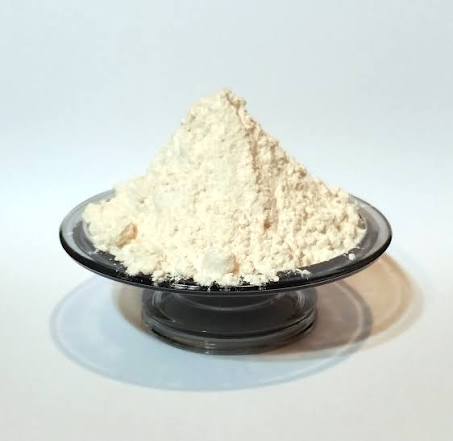
Ferulic acid is a naturally occurring phenolic compound found in various plant sources, including grains, fruits, vegetables, and seeds. In recent years, it has attracted considerable attention from the nutritional, cosmetic, and personal-care industries because of its antioxidant properties and its compatibility with a wide range of formulation systems. Among the different ingredient formats available to manufacturers, ferulic acid powder is particularly useful because it can be measured, blended, processed, and incorporated into carefully controlled formulations.
From dietary products to advanced skincare preparations, this versatile ingredient is increasingly considered when formulators want to develop products featuring antioxidant-focused positioning. Understanding how ferulic acid powder is used requires looking at its chemical characteristics, formulation behavior, stability considerations, and role in finished products.
Understanding Ferulic Acid and Its Functional Properties
Ferulic acid belongs to a group of plant-derived compounds known as phenolic acids. Its molecular structure allows it to participate in antioxidant activity, making it an interesting ingredient for formulations designed around protection against oxidative stress.
In plants, ferulic acid contributes to structural functions and is associated with cell-wall components. For commercial applications, purified material can be supplied in powdered form, allowing manufacturers to use standardized quantities during production.
One important reason manufacturers work with ferulic acid powder is formulation flexibility. A powder can be incorporated into premixes, encapsulated systems, dry nutritional blends, or cosmetic ingredient preparations. However, the appropriate concentration and processing conditions depend on the intended application and applicable product regulations.
Applications in Nutritional Formulations
The nutritional industry uses numerous plant-derived antioxidant compounds in dietary supplements, functional foods, and specialized ingredient blends. Ferulic acid may be incorporated into these products as part of an antioxidant-focused formulation.
Powdered ingredients are particularly convenient for manufacturers producing capsules and tablets because they can be weighed accurately before blending. Depending on the formulation, ferulic acid can be combined with other nutritional ingredients, excipients, or plant extracts.
It may also be considered for powdered drink mixes and functional nutrition products. In these applications, manufacturers must evaluate factors such as solubility, taste, particle size, compatibility with other ingredients, and stability during storage.
A major consideration is that ferulic acid is not simply added to a nutritional product because it is naturally derived. Formulators must determine whether the ingredient is permitted for the intended use in the target market and ensure that labeling, dosage, quality, and safety requirements are satisfied.
Role in Antioxidant-Focused Supplements
Antioxidant supplements commonly contain combinations of vitamins, minerals, botanical extracts, and other naturally occurring compounds. Ferulic acid can be considered as one component of such a formulation.
The use of ferulic acid powder allows manufacturers to create controlled blends where the quantity of the active ingredient can be standardized. This is important for consistent manufacturing because every batch should meet established specifications.
Formulators may also investigate combinations involving other antioxidant compounds. However, combining several active ingredients requires careful compatibility testing. Ingredients can interact with one another, and their stability may be influenced by moisture, temperature, oxygen exposure, pH, and packaging.
Consequently, laboratory testing is an important part of developing a nutritional formulation containing ferulic acid.
Ferulic Acid Powder in Cosmetic Formulations
The cosmetic industry is another major area where ferulic acid has attracted attention. Modern skincare formulations frequently emphasize antioxidant ingredients, particularly products designed to support the appearance and overall condition of skin exposed to environmental stressors.
Ferulic acid may be incorporated into creams, serums, lotions, emulsions, and other topical preparations. Its use is particularly interesting in formulations containing other antioxidant ingredients, where formulators may investigate how different compounds behave together.
However, incorporating a powdered ingredient into a cosmetic formula is more complex than simply mixing it into a cream. The ingredient must be dispersed appropriately and remain stable throughout the product’s intended shelf life.
Stability Is a Major Formulation Consideration
One of the most important issues when working with phenolic antioxidants is stability. Exposure to oxygen, light, heat, moisture, and unsuitable pH conditions can affect the behavior of sensitive ingredients.
For this reason, manufacturers using ferulic acid powder generally evaluate the ingredient under controlled formulation conditions. Stability studies can examine changes in appearance, concentration, color, odor, and other quality characteristics over time.
Packaging can also influence stability. Containers that limit exposure to air and light may be considered for formulations where antioxidant ingredients are particularly sensitive. The final packaging decision depends on the entire formulation rather than on ferulic acid alone.
Combining Ferulic Acid With Other Ingredients
Modern cosmetic chemistry often focuses on ingredient combinations rather than isolated compounds. Ferulic acid may therefore be studied alongside other antioxidants and skin-care ingredients.
For example, formulators may investigate systems containing vitamin-based antioxidants or botanical compounds. The objective is not merely to add more ingredients but to create a stable and compatible formula in which each component performs its intended function.
When combinations are used, manufacturers need to examine pH, solubility, concentration, oxidation potential, preservative compatibility, and packaging requirements. Laboratory testing helps determine whether the combination remains suitable throughout its expected shelf life.
Manufacturing Advantages of Powdered Ingredients
From a manufacturing perspective, powdered raw materials offer several practical benefits. They can generally be stored in controlled conditions, accurately weighed, and incorporated into standardized production processes.
A manufacturer purchasing ferulic acid powder may specify parameters such as purity, particle characteristics, moisture content, appearance, and testing requirements. Certificates of analysis and appropriate quality-control documentation can also help manufacturers verify incoming raw materials.
Good manufacturing practices are essential because ingredient quality directly affects the consistency of finished products. Proper storage is equally important, particularly for compounds that can be affected by environmental conditions.
Quality Control and Standardization
Quality control is a central component of modern nutritional and cosmetic manufacturing. Before an ingredient reaches production, manufacturers may test it against predetermined specifications.
For ferulic acid powder, testing can involve identity, purity, moisture, contaminants, and other relevant quality characteristics. The exact testing program depends on the supplier, intended application, regulatory requirements, and manufacturer’s quality system.
Standardization is especially important for commercial products because consumers expect consistent products from one production batch to another. Reliable raw-material sourcing therefore plays an important role in formulation development.
Regulatory and Safety Considerations
Although ferulic acid occurs naturally in many plant materials, natural origin does not automatically mean that every concentrated preparation is suitable for every application. Regulatory requirements vary between countries and between cosmetics, foods, and dietary supplements.
Manufacturers must determine the legal status, permitted applications, labeling requirements, and appropriate usage levels for their particular market. Cosmetic products must also comply with relevant ingredient and product-safety requirements.
Product developers should rely on qualified regulatory professionals, toxicological assessments, supplier documentation, and appropriate laboratory testing when determining how an ingredient should be used.
The Future of Ferulic Acid in Modern Formulation
Demand for plant-derived and antioxidant-focused ingredients continues to influence research and product development. As consumers become increasingly interested in sophisticated skincare and functional nutrition, formulators are exploring ways to incorporate recognizable botanical compounds into convenient products.
The versatility of ferulic acid powder makes it useful for this purpose. Its powdered format can support controlled dosing, standardized blending, and incorporation into different formulation platforms.
Future development is likely to focus on improving stability, delivery systems, compatibility, and bioavailability. Encapsulation and other advanced delivery technologies may also provide opportunities for manufacturers seeking better control over how active ingredients behave within finished products.
Conclusion
Ferulic acid has become an interesting ingredient for modern nutritional and cosmetic formulation because of its plant origin, antioxidant characteristics, and versatility. Ferulic acid powder provides manufacturers with a practical raw-material format that can be incorporated into dietary supplements, functional formulations, skincare products, serums, creams, and other specialized preparations.
Successful formulation, however, requires more than selecting an active ingredient. Solubility, stability, compatibility, quality control, packaging, manufacturing conditions, and regulatory requirements all need to be considered. Through careful research and controlled formulation development, ferulic acid can serve as a valuable component in the continuing evolution of antioxidant-focused nutritional and cosmetic products.