
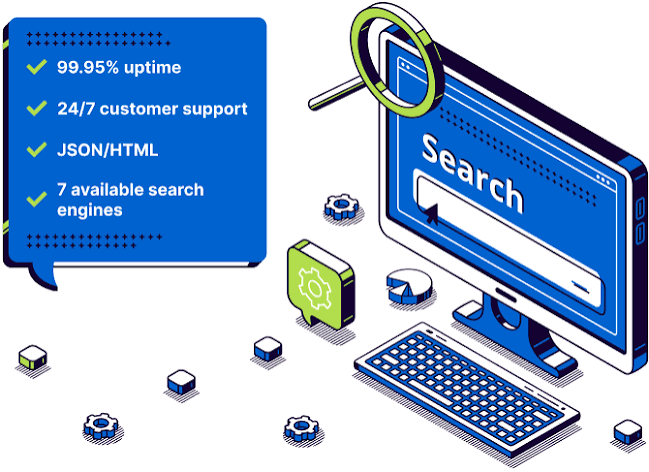
Search engine results are an important source of information for SEO professionals, digital marketers, developers, and businesses. However, collecting search serp api pricing results manually can be difficult, especially when you need data at scale. This is where a SERP API becomes useful. A SERP API allows users to retrieve search engine results programmatically and integrate them into applications, SEO tools, dashboards, and automated workflows.
One of the most important factors to consider before choosing a SERP API is pricing. Different providers offer different plans based on search volume, features, speed, locations, and API limits. Understanding SERP API pricing can help you select a solution that fits your needs without spending more than necessary.
What Is a SERP API?
A SERP API is an application programming interface designed to collect search engine results pages, commonly known as SERPs. Instead of manually searching Google or another search engine, developers can send an API request and receive structured search data.
Depending on the provider, the returned information may include organic results, advertisements, featured snippets, local listings, related searches, shopping results, images, and other SERP features.
SERP APIs are commonly used for keyword tracking, rank monitoring, competitor research, SEO reporting, market analysis, and search-related software applications.
Why Does SERP API Pricing Matter?
Pricing matters because SERP data requirements can vary significantly from one business to another. A small website owner may only need a few hundred searches each month, while an SEO agency could require thousands or millions of searches.
Choosing a plan that is too large can lead to unnecessary expenses. On the other hand, selecting a plan with a low search limit may result in additional charges or interruptions when your usage increases.
Before purchasing a plan, it is useful to estimate how many searches your project will perform each month.
Common SERP API Pricing Models
Most SERP API providers use usage-based pricing. The cost is generally connected to the number of searches or API requests you make.
Monthly Subscription Plans
Monthly plans usually provide a fixed number of searches or credits for a recurring monthly fee. For example, a provider may offer separate packages for beginners, growing businesses, and large companies.
These plans are convenient because you know your approximate monthly budget in advance.
Pay-As-You-Go Pricing
Some providers allow users to pay based on actual usage. This can be useful for developers who have unpredictable search requirements or only need SERP data occasionally.
Pay-as-you-go pricing may be particularly attractive when you do not want to commit to a long-term subscription.
Enterprise Pricing
Large businesses and agencies may need custom solutions. Enterprise plans can include higher request limits, dedicated resources, advanced support, custom integrations, and special pricing.
The exact cost usually depends on expected search volume and required features.
Factors That Affect SERP API Costs
Several factors can influence the final price of a SERP API.
Search volume is usually one of the biggest factors. More searches generally mean higher costs.
Search engine selection can also affect pricing. Some providers support multiple search engines, while others focus primarily on Google.
Geographic targeting is another consideration. Businesses may need results from different countries, cities, or regions to monitor local rankings.
Device type can matter as well. Some projects need separate desktop and mobile results.
Advanced SERP features may also influence pricing. If you need structured information about maps, shopping results, images, advertisements, or featured snippets, check whether these features are included in your selected plan.
How to Choose the Right SERP API Plan
The best plan depends on your actual requirements. Start by estimating the number of keywords you want to check and how frequently you want to collect results.
For example, if you monitor 500 keywords once per week, your monthly search requirements will be very different from a platform checking thousands of keywords every day.
It is also important to consider API reliability, response speed, documentation, location support, and data quality. The cheapest SERP API is not always the best option if it produces unreliable data or has frequent downtime.
Cheapest SERP API: Is It Always Better?
Finding a cheap SERP API can be attractive, especially for startups and individual developers. However, price should not be the only consideration.
A low-cost provider may have limited locations, slower responses, fewer supported search engines, or restricted API features. Before choosing a provider based only on price, compare the number of included searches, additional request costs, available features, and technical support.
A slightly more expensive plan can sometimes provide better value if it offers higher reliability and more useful features.
Free Trials and Testing
Many SERP API providers offer trials, limited free credits, or testing options. These can be helpful before committing to a paid plan.
During a trial, test the API with your real use case. Check response times, result accuracy, supported locations, documentation, and how easily the API integrates with your application.
Testing first can help you avoid paying for a plan that does not meet your requirements.
Final Thoughts
Understanding SERP API pricing is essential before selecting a search data provider. Pricing can depend on search volume, supported search engines, geographic targeting, devices, SERP features, and additional services.
Instead of automatically choosing the cheapest plan, calculate your expected monthly usage and compare providers based on both cost and functionality. For small projects, a basic or pay-as-you-go option may be sufficient. Growing businesses may benefit from higher-volume plans, while agencies and large platforms may require enterprise solutions.
By carefully comparing pricing, features, limits, and reliability, you can find a SERP API plan that provides the right balance between cost and performance.