
Understanding Unflavored Gelatin Powder and Its Role in Cooking
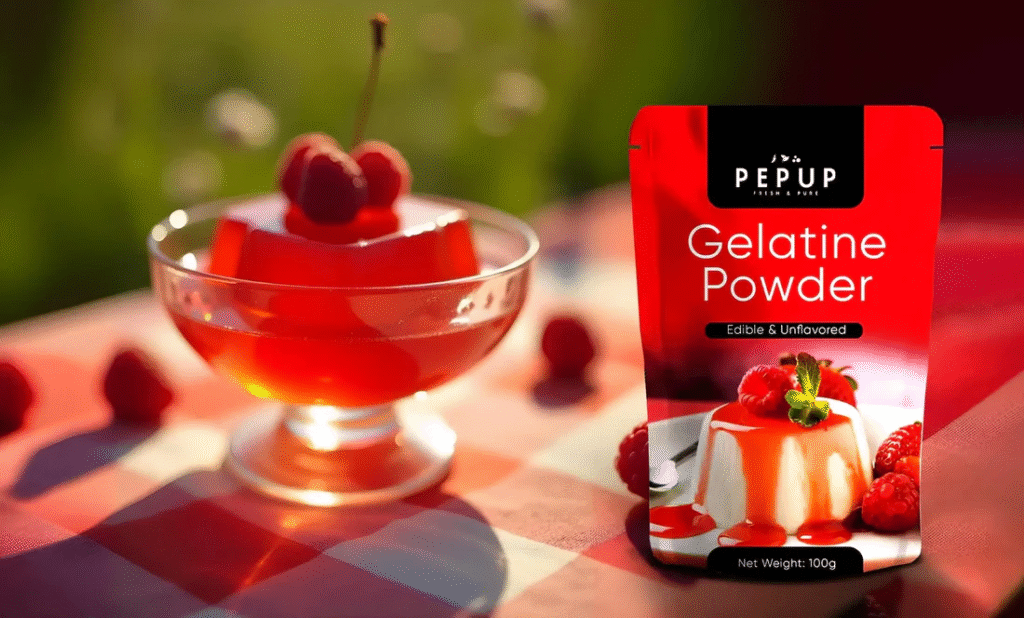
Unflavored gelatin powder is a versatile ingredient widely used in both sweet and savory recipes. It is derived from collagen, usually sourced from animal bones and connective tissues, and it acts as a natural thickening and gelling agent. When dissolved properly, it creates a smooth texture that helps transform liquids into semi-solid or firm forms.
Many home cooks and professional chefs rely on unflavored gelatin powder because it has no taste or color, making it suitable for a wide variety of dishes. From desserts like jellies and mousses to savory dishes such as aspic and terrines, this ingredient plays a crucial structural role.
The correct unflavored gelatin powder method is important because improper use can lead to clumps, uneven textures, or weak gels. Learning how to incorporate it properly ensures consistent and high-quality results in your recipes.
Basic Unflavored Gelatin Powder Method for Beginners
Before using gelatin in any recipe, understanding the basic unflavored gelatin powder method is essential. This process typically involves two key steps: blooming and dissolving.
Blooming is the process of softening gelatin powder in cold liquid. You sprinkle the powder over water or another cold liquid and let it sit for about 5 to 10 minutes. During this time, the granules absorb moisture and swell. This step prevents clumping when heat is applied later.
Once bloomed, the gelatin is gently heated until it fully dissolves. It should never be boiled, as high temperatures can destroy its gelling properties. Instead, use low heat or mix it into warm ingredients until completely smooth.
This simple unflavored gelatin powder method forms the foundation for most recipes using gelatin.
How to Use Unflavored Gelatin Powder in Desserts
Desserts are the most common applications for gelatin. It is used to create silky textures and stable shapes in recipes like panna cotta, cheesecake, marshmallows, and fruit gels.
To incorporate gelatin into desserts, start by blooming it in cold water. Then dissolve it into warm milk, cream, juice, or sugar mixtures depending on the recipe. Once fully combined, the mixture is poured into molds or containers and chilled until set.
One important tip is to ensure even distribution. If gelatin is not mixed properly, some parts of the dessert may set too firmly while others remain soft. Following the correct unflavored gelatin powder method guarantees a smooth, uniform texture every time.
Using Gelatin in Savory Recipes
Although most people associate gelatin with desserts, it is also highly useful in savory cooking. It helps thicken soups, stabilize sauces, and create elegant dishes like terrines and aspic.
In savory recipes, gelatin is often bloomed in cold stock or water and then added to warm broth or meat juices. This creates a firm yet delicate structure once chilled. Chefs use this technique to enhance presentation and texture in gourmet dishes.
The unflavored gelatin powder method remains the same whether you are working with sweet or savory recipes. The key difference is the base liquid used for blooming and dissolving.
Adding Gelatin to Drinks and Beverages
Gelatin can also be incorporated into beverages for nutritional and functional purposes. Some people add it to smoothies, protein shakes, or health drinks for its potential benefits in supporting joints and skin elasticity.
To use it in drinks, first bloom the gelatin in cold water. Then dissolve it completely in a small amount of warm liquid before blending it into your beverage. This ensures it mixes evenly without forming lumps.
When following the unflavored gelatin powder method for drinks, it is important to avoid overheating or adding it directly to cold mixtures without dissolving first, as this can lead to uneven texture.
Common Mistakes to Avoid When Using Gelatin
Even though gelatin is easy to use, beginners often make mistakes that affect the final result. One of the most common errors is skipping the blooming step. Without blooming, gelatin will clump and fail to dissolve properly.
Another mistake is overheating. Boiling gelatin breaks down its structure and reduces its ability to set. Always use gentle heat when applying the unflavored gelatin powder method.
Incorrect measurement is also a frequent issue. Too much gelatin creates a rubbery texture, while too little results in weak or runny dishes. Following recipe instructions carefully ensures balanced results.
Tips for Perfect Results Every Time
To get the best results with gelatin, consistency and timing are key. Always measure ingredients accurately and allow enough time for setting in the refrigerator. Most gelatin-based dishes require at least 4 to 6 hours to fully set.
Another helpful tip is to dissolve gelatin completely before mixing it into other ingredients. Any undissolved particles can create uneven textures in the final dish.
If you are experimenting with recipes, keep notes on how much gelatin you use. This helps you refine your personal unflavored gelatin powder method over time.
Health and Nutritional Considerations
Gelatin is often valued for its potential health benefits. It contains amino acids that support collagen production, which may help with skin, hair, nails, and joint health. However, it should be consumed as part of a balanced diet and not relied on as a sole nutritional source.
Some people prefer plant-based alternatives like agar-agar, especially those following vegetarian or vegan diets. While these alternatives behave differently, the technique of dissolving and setting remains somewhat similar.
Understanding the unflavored gelatin powder method can also help you make informed choices when substituting ingredients in recipes.
Creative Ways to Experiment with Gelatin
Once you are comfortable with basic techniques, you can start experimenting with creative recipes. Layered desserts, flavored jellies, and decorative molds are just a few possibilities.
You can also combine gelatin with fruits, herbs, and spices to create unique flavors and textures. For example, adding fresh fruit juice can enhance both taste and visual appeal.
Mastering the unflavored gelatin powder method allows you to explore endless culinary creativity while maintaining control over texture and consistency.
Conclusion
Unflavored gelatin powder is a powerful and flexible ingredient that can transform simple recipes into beautifully structured dishes. Whether used in desserts, savory meals, or beverages, its success depends on proper technique and careful handling.
By understanding and applying the correct unflavored gelatin powder method, you can avoid common mistakes and achieve consistent, professional-quality results. With practice, this ingredient becomes an essential tool in your kitchen, opening the door to countless creative cooking possibilities.