
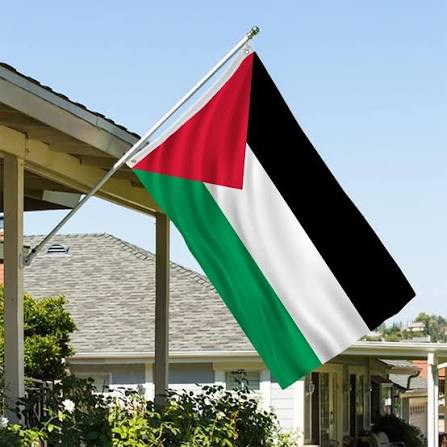
Flags serve as powerful symbols of national pride, corporate branding, personal expression, and celebratory spirit. Whether you need a sturdy national banner to fly outside your home, a customized printed display for a business event, or a decorative banner for a garden, purchasing a flag is an investment in visibility and identity.
With thousands of options available at the click of a button, navigating the digital marketplace can feel overwhelming. Low-cost alternatives often sacrifice structural integrity, leading to fast fading, frayed edges, and broken hardware after minimal weather exposure. When you decide to buy flag online options for your home or business, understanding how materials, stitching, printing styles, and seller reputations interact will ensure you get maximum long-term value.
Understanding Flag Materials: The Foundation of Quality
The first and most important step to buy flag products online is selecting the right fabric for your specific environment. Fabric choice determines how a flag handles weather, how vibrant its colors appear, and how easily it moves in the breeze.
Lightweight Nylon
Nylon is one of the most popular fabrics for outdoor flags. It is exceptionally lightweight and engineered to fly easily even in slight winds. High-grade nylon features a subtle luster that gives colors a rich, vibrant appearance. Because nylon dries quickly and resists moisture, it is an ideal choice for moderate outdoor climates.
Heavy-Duty Polyester
If your display location experiences high winds, frequent storms, or severe weather conditions, heavy-duty woven polyester is the superior choice. Polyester features a dense weave that offers maximum tear resistance and tensile strength. While it requires stronger winds to fly freely due to its heavier weight, its durability makes it the longest-lasting outdoor option.
Traditional Cotton
Cotton offers a classic, textured appearance with rich natural colors. It provides a historical feel that synthetic materials cannot match. However, cotton absorbs water readily and takes longer to dry, making it susceptible to mildew and wear when left exposed to weather. Cotton is ideal for ceremonial uses, historical displays, or high-end indoor decor.
Key Construction Features to Look For
Beyond material selection, structural details determine whether a flag remains intact over months or years of use. Cheaply manufactured flags frequently fail at seam connection points or around mounting hardware.
Reinforced Stitching and Hemming
When reviewing product specifications, pay attention to the edge finishing. High-quality flags feature double-needle stitching along the top and bottom edges. The fly end—the outer edge most exposed to wind whipping—should feature four parallel rows of lock-stitching and reinforced corner bartacks. This extra reinforcement prevents unraveling and extends the life of the display.
Heavy-Duty Hardware and Grommets
Mounting points endure significant pull force when winds pick up. Look for solid brass grommets that resist rust and corrosion, anchored into a reinforced canvas header. For larger flags or heavy-duty outdoor installations, heavy canvas pole hems with leather tabs or stainless steel D-rings provide superior strength.
Printed vs. Embroidered Designs
- Printed Flags: Modern digital dye-sublimation penetrates color deep into the fabric fibers, producing sharp, high-definition graphics suitable for custom logos and intricate patterns.
- Embroidered or Sewn Flags: Premium national and state flags feature embroidered stars, appliqué emblems, and individually sewn stripes. These offer a luxurious, three-dimensional texture that looks impressive both close up and from a distance.
Single-Sided vs. Double-Sided Flags
When you search to buy flag choices online, you will encounter single-sided (single-reverse) and double-sided configurations. Choosing between them depends on your budget, display setup, and visibility requirements.
| Feature | Single-Sided (Single-Reverse) | Double-Sided (Three-Layer / True 2-Side) |
| Construction | Single layer of fabric with dye bleed-through | Two printed fabric layers with a middle blockout liner |
| Readability | Image is correct on front; mirror-image on back | Image reads correctly from both sides |
| Weight | Lightweight; flies easily in minimal breeze | Heavier; requires stronger winds to lift |
| Durability | Moderate; less stress on stitching | High; multiple layers offer structural body |
| Best Use | Budget displays, standard flagpoles, wall mounts | Commercial street displays, custom branding, parade poles |
Sizing and Proportions Guide
Selecting the wrong size can disrupt the visual balance between your flagpole and your display area. A flag that is too large puts unnecessary strain on mounting hardware, while one that is too small can get lost against the backdrop.
Residential In-Ground Flagpoles (15 to 25 Feet)
A standard $3 \times 5$ foot or $4 \times 6$ foot flag works best for typical residential in-ground poles. This proportion ensures the fabric sways gracefully without touching surrounding tree branches or home structures.
Wall-Mounted House Poles (6 Feet)
For angled bracket poles attached to house fronts or porches, a standard $3 \times 5$ foot flag provides the classic display scale without dragging across railings.
Commercial Flagpoles (30 Feet and Above)
Commercial properties with 30-foot poles typically require a $5 \times 8$ foot or $6 \times 10$ foot flag for proper visual impact from a distance. For every additional 10 feet of pole height, increase the flag length by 2 to 3 feet to maintain visual balance.
How to Avoid Common Online Scams and Bad Buys
The ease of online shopping comes with the risk of encountering low-quality products or misleading listings. Here is how to evaluate online sellers and listings effectively:
Verify Material Descriptions
Avoid listings with vague descriptions such as “durable cloth” or “weatherproof synthetic.” Reliable vendors state exact material specs, such as 200-denier nylon, 600D heavy-duty polyester, or 100% spun cotton.
Check UV Resistance Claims
Sunlight causes fading and fiber degradation over time. Look for manufacturers that explicitly use UV-resistant inks and treated fabrics designed to resist yellowing and fading under harsh sunlight exposure.
Review Customer Feedback and Real Photos
Examine customer reviews that include real-world photos rather than relying solely on polished promotional imagery. Look for feedback regarding stitching longevity, color accuracy after exposure to weather, and seller responsiveness.
Long-Term Maintenance for Maximum Value
Even high-quality flags require proper care to maximize their lifespan. Following simple maintenance steps helps protect your investment:
- Lower Flags in Extreme Weather: High winds, heavy snow, and hail cause fabric stress. Taking your flag down during severe storms prevents tears along the fly end.
- Clean Periodically: Dust, pollution, and dirt weaken fabric fibers over time. Hand-wash synthetic flags in cold water with mild detergent, then line dry completely before flying again.
- Trim and Re-Hem Early: If you notice minor fraying along the outer edge, trim the loose threads and re-hem the border promptly to prevent further unraveling.
Finding the Perfect Flag for Your Needs
Taking the time to research materials, hardware, and seller standards ensures that your purchase delivers long-lasting performance and strong value. By selecting the proper fabric for your climate and maintaining structural integrity with reinforced stitching, you can confidently buy flag options online that look great and stand the test of time.